2026 2

Scepticism and Humility

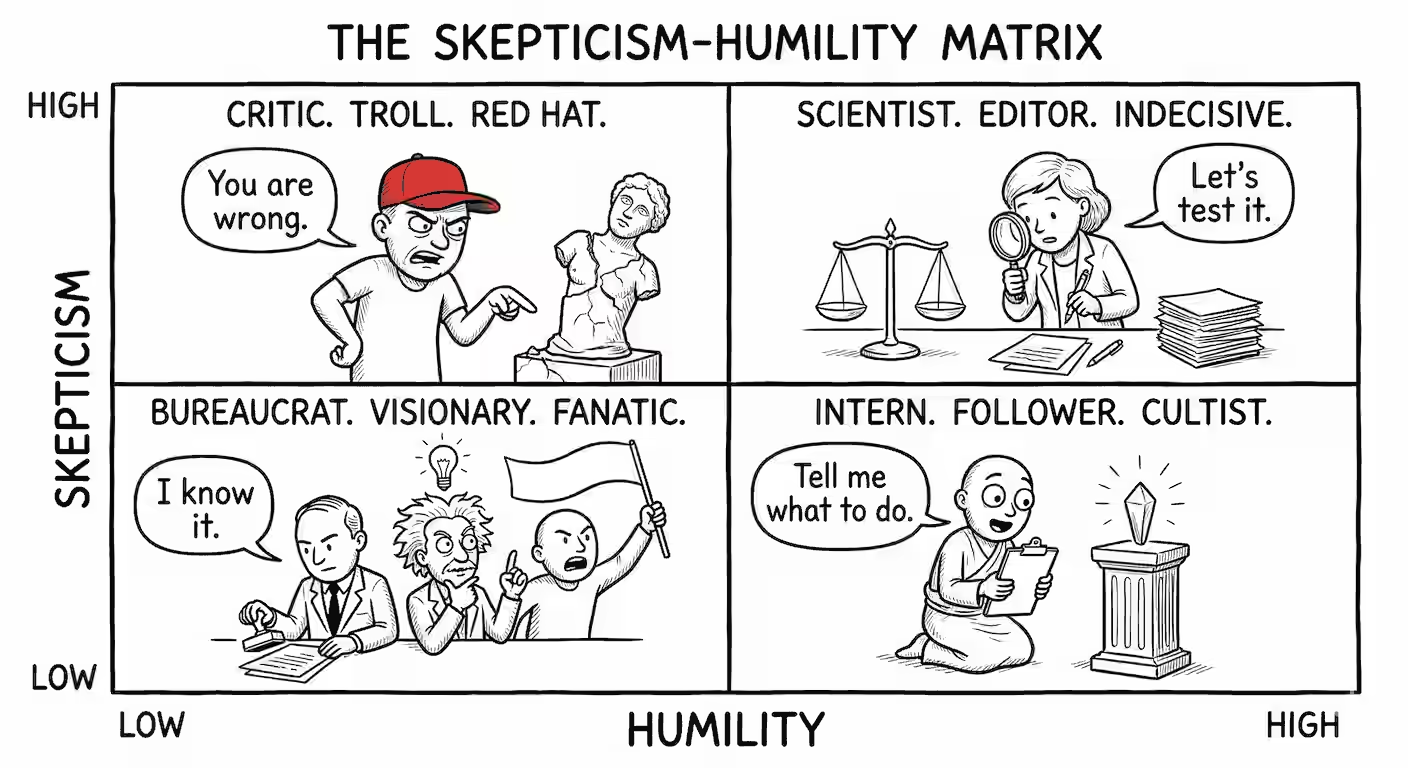
High Scepticism + High Humility = Scientist. Editor. Indecisive. “Let’s test it.” Good for high-stakes, irreversible decisions. System 2 thinking is slow and effortful. But if you do this too often or too long, you miss the window or other opportunities. High Scepticism + Low Humility = Critic. Troll. Red Hat. “You are wrong.” Good for stress-testing and auditing. To prevent/anticipate failures. But it’s toxic and demoralizing if you do it too much. ...

How to develop taste

Developing taste & judgement are an essential skill in the AI era. # # But taste is different from knowledge and takes more time. Gaining knowledge is a software upgrade. It strengthens existing synapses. It’s fast, reversible, no new “cables” required. Taste is a hardware upgrade. It destroys inefficient pathways, grows neurons for new pathways, and wraps axons with myelin speeding up signals 100x. (London cab drivers literally have a larger hippocampus.) Taste takes time. How we acquire taste depends on the environment. ...

2025 1

Read from LLMs but don't tell people

In meetings, I pass on questions to ChatGPT and I read out the response. But I’ve stopped saying “I’m reading that from ChatGPT.” (By “ChatGPT”, I mean ChatGPT, Claude, Grok, Gemini, Meta, etc. I happen to use ChatGPT with O3 Mini + Search.) Use ChatGPT in meetings It’s good to bring ChatGPT into conversations. (Or any activity where intelligence helps, actually.) In meetings (online or in person), I keep a ChatGPT window open. When asked: ...

2024 1

Oh, wonderful! They’re keen to get in. Wise enough to take help. Honest enough not to be able to cover it up. Sounds like a good hire! LinkedIn