2026 13

Things I Learned - 26 Jul 2026

This week, I learned: Thinking traces vanished in ChatGPT Work (or did they never exist) and seem to be vanishing in Claude. Not sure if it’s because Chinese models are using the thinking traces as signals. ChatGPT Skills is available in the Plus plan. This was available to Enterprise and Edu, but since I saw this on ChatGPT just today, I guess it’s a recent feature. Peter Gostev compares Opus 5, Fable 5, Kimi K3, GPT 5.6 Sol, GLM 5.3, etc. on a variety of visual tasks in this video. The most intruiguing prompt I spotted was: “I would like you to research the most interesting, impressive dataset where I would learn something about the world and you can visualize in the most creative way, making it something completely unexpected. Then create the most elaborate version of it possible.” This apart, I got the general sense that Opus 5 is quite good at visualization and design, perhaps even better than Fable 5. After reflecting on Knowledge graph construction with Claude, I believe that knowledge graph construction is roughly: “Tag each document with people, place, org, event, etc.” - and it’s good enough for agents to use. Increasingly, the real question isn’t “What interesting things you doing with agents?” It is the followup? “What lets you do that (when I can’t)”? For example, Naveen asked me, “Can I set up your email reply agent?” I said, “No, you don’t have transcripts, blogs, notes, or exports like I do.” LinkedIn lets you save a profile as PDF. While it formats text reasonably well, it doesn’t preserve newlines in the “About” section - so what looks good on the browser looks terrible in the PDF. Such PDFs are sent to interviewers, making it a bit of a bad experience for the interviewee. (Of course, it could also be a signal to see how well interviewees pay attention to small details like LinkedIn PDF formatting.) The ability to measure an outcome is (and has always been) important. It lets you capture value (outcome pricing) when you control the outcome, or de-risk (insurance) when you don’t. But what might be new is that metrics are outdated at an increasingly faster pace - so (a) setting an expiry date and (b) knowing if it’s expired have become important. I wasn’t using AI to reply to emails because (a) it didn’t have enough context and (b) it didn’t write in my style. I spent a few months making sure I give them context and style guidance. Given the current intelligence of models and my email reply prompt, I’m now happy for AI to answer my emails. My learnings based on YC request for startups Fall 2026 - which probably means we’ll see many more startups in these spaces. Here are my takeaways: Self-Maintaining APIs: Nice idea. When a service changes an API, they share an agent/skill that can fix YOUR code to upgrade the API! AI-Native Compliance Infrastructure: So, compliance becomes cheaper => MORE and STRICTER regulation. Licensees become valuable (AI rollup). Private regulator feedback becomes valuable. Compliance companies will themselves get regulated (like auditors). Multiplayer AI: Claude Tag is a step in this direction. WhatsApp’s @Meta is too. I expect most chats will allow AI as participants. Most collaborative software, too - GitHub, JIRA, Figma, GMail, HubSpot, maybe even VS Code, Office/Notion, Chrome, Games, … A Cloud for Small Software: Systems of record are likely to be safe, but software AROUND it will explode into tiny tools. Access control, ratings, … is what’ll be important, not generation / managing them. Grok 4.5 took 14 iterations to write an essay about Cheese before Pangram declared it “Human”. Pangram is increasingly becoming the new Turing Test. Rahul Notes from a Claude Code interview with Simon Willison: Fewer examples. More examples don’t help Fable and Opus 4.8. “… removing examples was extremely helpful, because it was just more creative than the examples we gave it.” Fewer hard constraints like “fewer “do not do this” instructions, because that’s a very strong impulse for Claude, and especially if it conflicts with user instructions”. “Do X when …” or “Do X because …” is more helpful. Fewer tools. A few general-purpose tools work best. Fewer sandboxes. Auto-mode is safe enough. Sonnet judges every tool call with context, enabling dynamic permissions. Fewer software / integrations. Use Claude Code itself as the software / integration layer. Fewer components. Memory is just a Markdown file in the right folder. Fewer interventions. “… given a COMPLETE definition of a task… does Claude make the right decisions” Fewer decisions. Fewer reviews. Generation is cheap, so let people who need something get there immediately, as long as a good AI judges and its reversible. “We actually have a different system prompt per model now”. Claude Tag is next evolution of Claude Code: Multiple people interacting per channel, working with Claude on a task. (Claude tag contributes to 65% of our PRs) Apache Ossie is a YAML standard for dataset metadata. If adoption grows, it could be a useful machine and human readable way to document and describe datasets. Databricks, Snowflake, Qlik, are part of the group. If more join, this could become a useful standard. An interesting technique to build an efficient video understanding agent. Use AI to generate transcripts with timestamps. Have it identify key moments, e.g. where the presenter explicitly (“as you can see”) or implicitly (“these two cells”) flags something on screen. Extract up to ~50 of the most important frames. claude-video SKILL.md Cangjie Skill converts books, videos, etc. into AI skills, like Poor Charlie’s Almanack skills. However, since AI has already read most of these, the value of this (compared with “Apply principles from Poor Charlie’s Almanack”) is unclear. Alt+Shift+Right Arrow expands selection in VS Code, and Alt+Shift+Left Arrow shrinks selection. That’s useful in Markdown, HTML, etc. to select sections. Since Jun 2026, this also lets you select a specific Markdown table cell, row, or entire table. Also, since Jan 2026, double-clicking just inside quotes or brackets selects the entire contents inside. I analyzed the Claude Code session of a domain expert building an enterprise application without knowing how to code. Here’s what I learnt about expertise: An expert can instantly see errors / misses and their causes - amateurs can’t. An expert can point to specific nitty-gritty details - amateurs can’t. An expert knows what’s possible/easy and what’s not - amateurs don’t. An expert has strong opinions that’re often right - amateurs don’t. Claude gave me $100 credits until 19 Sep and Fable 5 will now consume those. My queries cost about $1, so I have ~100 queries to exhaust in ~60 days. About 1.5 Fable queries a day. That’s about what I normally ask Claude, so I think I should just stick to Fable 5 until my promotional credit expires - it’ll expire otherwise anyway. But using it with Claude Code is quite expensive ($7 is common.) I asked ChatGPT to analyze an MRI report and compared it with the doctor’s. Problem: they agreed on what problems most people in that age group face; they disagreed on things I have no way of validating! Maybe it’s best to use a doctor / radiologist to read the MRI, diagnose, and prescribe - but use AI to translate and cross-check (e.g. is this a typical age-related problem, is this the standard treatment, etc.) Both ChatGPT and Claude subscriptions offer an OAuth based coding agent API access - Codex SDK and Claude Agent SDK - which is how coding agents like Pi, OpenCode, etc. are able to authenticate and use the subscription. This means that anyone can build their own harness using existing subscriptions. ChatGPT A useful way to improve your SKILL.md files from others’ skills or prompts is: “What cool prompting / SKILL.md techniques does this have?” “Based on my usage patterns and objectives, which of these have the highest impact (provides highest uplift to my chats) x frequency (relevance)?” “Review all my skills. See what applies where. Filter what has HIGH impact. Draft the full diffs for the relevant skill files.” GPT 5.6 Sol attempted the Cycle Double Cover Conjecture. An interesting learning from the prompt is how they listed tempting outputs that APPEAR to satisfy this request, but would not actually, and told it to avoid them: “Use adversarial agents throughout: every candidate proof must be checked for exact-two multiplicity, repeated-edge closed trails masquerading as cycles, …”

Let AI take your exams

At 2 pm IST today (Fri 12 Jun 2026), I conducted a workshop at Paradox, IITM - at DOMS 101. My core message is: “AI can solve exams and help you learn. Delegate what AI can do. Learn what AI can’t do instead.” My talks page for “Let AI take your exams” includes: The full story + transcript + audio How Codex solved a real exam, live My collection of AI-learning techniques - which was not covered in the workshop, but is a useful reference Here are the takeaways from the workshop: ...

AI Coding Agent Subscription ROI

I ran npx -y ccusage monthly --compact to get the following break-up of my AI coding agent costs. Month Codex Claude 2025-09 $37.47 $2.29 2025-10 $106.79 $9.13 2025-11 $100.35 $14.24 2025-12 $240.69 $24.88 2026-01 $100.89 $20.28 2026-02 $323.21 $29.46 2026-03 $1996.32 $134.87 2026-04 $401.36 $47.07 2026-05 $378.20 $45.13 This shows the ROI of my $20 subscriptions to each. I get ~$35 worth of API calls for my $20 Claude Pro subscription and ~$400 of API calls for my $20 ChatGPT Plus subscription (on top of my ChatGPT chats.) ...

Correcting instruction debt

Here’s another AI-generated post, with Anand editor notes. But I’ve also added my own version of the post below. I told my “find a free calendar slot” script to “Avoid weekends and holidays”. Wednesday vanished. Turns out it’s a Singapore holiday (Anand: It’s Eid al-Adha), — irrelevant for the people I was meeting in other zones. I’d debugged my own helpful rule. (Anand: What? What does “debugged my own helpful rule” even mean?) ...

Thinking Beyond Automation to Safeguard Tomorrow’s Software Talent

Or, Why I Now Prefer Interns Over Senior Developers Ankor runs a company of several thousand people. After a bunch of calls with one of our interns, Varun (a student at IIT Madras), Ankor messaged me: “This guy is fantastic. How is he doing it?” This is what Varun was doing: he records calls, feeds the transcript to Claude Code / Codex, and delivers results. That’s the whole process. He doesn’t interpret the content. He doesn’t apply domain knowledge. He gets out of the way. ...

AI advice for teams

I updated my AI Advice page by: Transcribing my calls in the last 2 months (Gemini 3.1 Pro, “Transcribe this call recording…”) Extracting AI advice (Gemini 3 Flash, “Summarize ALL AI-related advice … into 1-sentence bullets”) Asking Claude, ChatGPT, and Gemini to document what’s new / changed. I added this request: But, and this is IMPORTANT, analyze my original writing style, write it exactly in that style, and then verify to make sure it follows the same style (correcting where required.) ...

Things I Learned - 19 Apr 2026

This week, I learned: WebApps are a depreciated store of value. Earlier, a web-app would have impressed me because the capability to create it is rare, and the effort to create it is high. Today, when I see a “localhost:3000” or a “replit.app” domain, I mentally discount the effort behind it and ask: How rare is the capability to create this with a coding agent and how much effort is it. THAT determines the value of what I see. Part of the value is “Look ma, no hands!” and it’s delightful they’ve learnt. Part of the value is “There’s gold in them thar hills!” and use-case discovery is important. WaveCity is a WASM build of Audacity, i.e. Audacity running in the browser! Audiomass is a similar but simpler audio editor - again, WASM-based. Gemini

Agent Skills Usage

I have a bunch of coding agent skills I’ve accumulated over the last few months. Here’s how often my sessions use them: Skill Claude Codex Copilot Overall code 6.1% 69.1% 37.5% 51.5% data-story 48.7% 16.4% 37.5% 28.0% data-analysis 2.6% 35.2% 7.8% 21.8% design 25.5% 23.6% 14.1% 21.8% plan 8.5% 11.8% 14.1% 11.8% agent-friendly-cli 3.7% 13.8% 11.1% 11.2% devtools 20.4% 7.3% 9.4% 10.0% llm 2.5% 8.7% 7.8% 7.4% pdf 0.0% 7.9% 7.8% 6.6% linkedin-cdp 14.3% 0.0% 5.6% 5.3% uv-uvx 0.0% 9.5% 0.0% 4.9% interactive-storytelling 7.1% 2.7% 7.1% 4.6% demos 8.5% 2.8% 1.6% 3.5% cloudflare 0.0% 4.3% 3.1% 3.3% melt-mlt 0.0% 2.5% 1.6% 1.8% vector-art 2.5% 2.4% 0.0% 1.7% vitest-dom 0.0% 2.2% 0.0% 1.4% memorable-explanations 2.6% 1.6% 0.0% 1.3% npm-packages 0.0% 0.6% 0.0% 0.3% Here are my observations, with surprises highlighted as ⁉️ ...

Coding agents ARE the new software

Increasingly, I use coding agents instead of writing software. For example, I built a Blog UMAP. Then, I built Calvin UMAP. And more. But instead of building re-usable software, I just ran Claude with prior context. Increasingly, I use coding agents to run software. For example, I use Codex to classify my expense receipts. It writes re-usable code, but I run it using Codex, and it updates the code with new/edge cases. ...

AI in SDLC at PyConf

I was at a panel on AI in SDLC at PyConf. Here’s the summary of my advice: Process Make AI your entire SDLC loop. Record client calls, feed them to a coding agent to directly build & deploy the solution. Record your prompts, run post-mortems, and distill them into SKILLS.md files for reuse. Prompting Ask AI to make output more reviewable. Don’t waste time reviewing unclear output. Prefer directional feedback (feeling, emotion, intent) over implementational. Also give AI freedom to do things its way. Learn from that - you’ll be surprised. Learning ...

Cracking online exams with coding agents

An effective way to solve online exams is to point a coding agent at it. I use that on my Tools in Data Science course in two ways: As a test case of my code. If my agent can solve it, good: I set the question correctly. As a test of student ability. If it can’t, good: it’s a tough question (provided I didn’t make a mistake). For PyConf, Hyderabad, my colleague built a Crack the Prompt challenge. Crack it and you get… I don’t know… goodies? A job interview? Leaderboard bragging rights? ...

AnalAIzing Cloud Costs

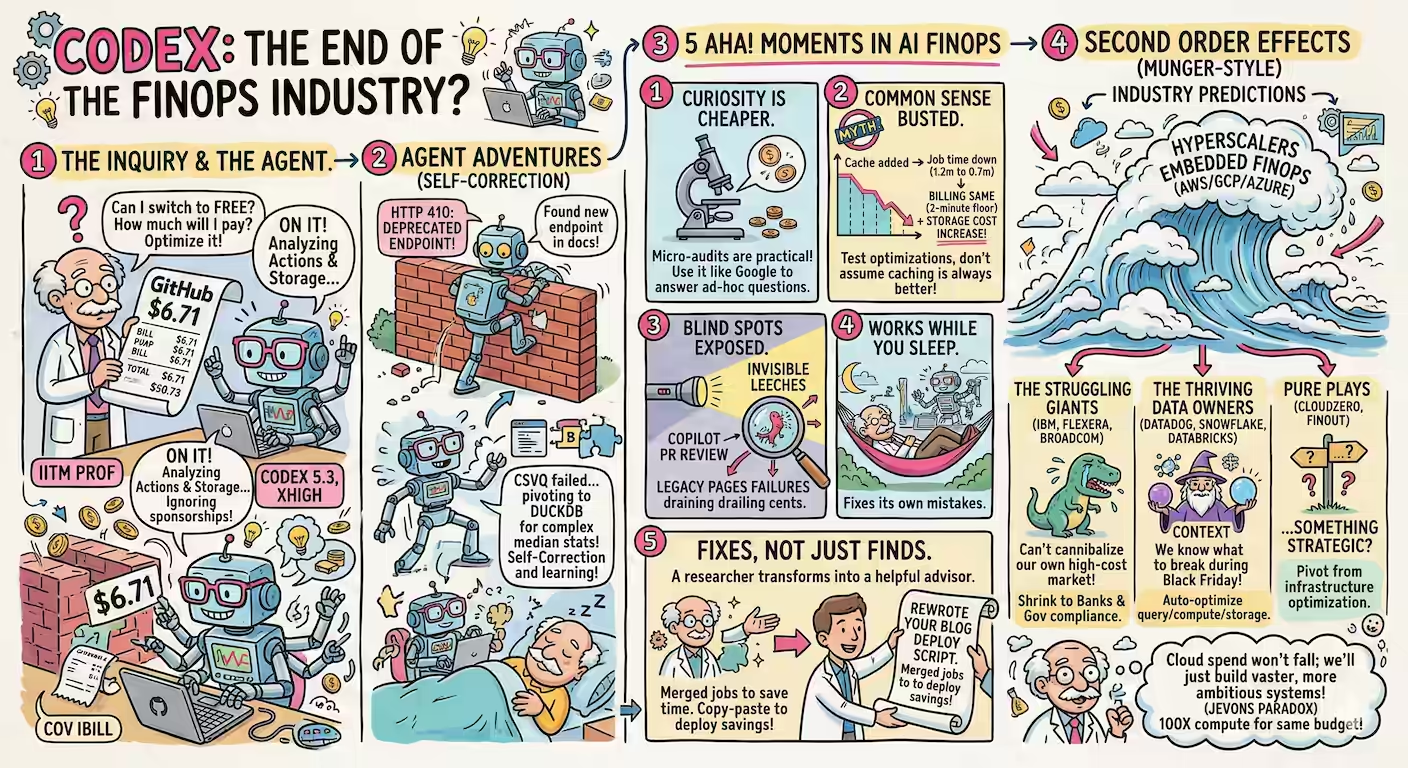
I have a GitHub Education since I teach at IITM. But if I switch back to a free account, how much would I need to pay? I asked Codex (5.3, xhigh): My GITHUB_TOKEN is in .env. Go through my GitHub billing. Ignore the $100 sponsorships I make. Other than that, my current metered usage is $6.71 for Feb 2026 (which is included in my billing plan). $0.35 comes from sanand0/exam and $0.34 from sanand0/blog and so on. That’s coming mostly from “Actions Linux”, occasionally “Actions Storage”. Pick a few of the top repos and tell me what I should do to make the cost zero - or reduce the cost as much as possible. See if there’s a pattern across repos. ...

Things I Learned - 01 Mar 2026

This week, I learned: unidown is a Rust CLI tool that converts Markdown to Unicode characters - useful for LinkedIn. 3 years into Nestle, Sangeeta Talwar (who was selling Maggi soup cubes) took the “Maggi Instant Noodles” (popular in Malaysia), changed it to “2-minutes”, realized that noodles are fun for kids to play with, invented the masala flavor, positioned it as easy for moms, distributed hanging baskets (rodent-safe, brand visibility) at stores, marketed on TV and in stores, etc. Gemini Nano Banana Pro 2 is out. Better text, better instruction following. codespelunker is a fast CLI code search tool. Just run cs for an interactive search. It feels light and fast, like ug. lobste.rs Shadow IT is unpaid R&D, not a security threat. When frustrated marketing or sales teams secretly buy their own software tools and bypass the IT department, traditional companies try to ban them. Transformed companies study them. “Shadow IT” is a highly accurate heat map pointing exactly to where your current systems are failing and where the immediate business value lies. Source: CIO.com, Gartner: Business-Led IT Coding agents have introduced a “Usage” page to check your usage: Claude usage and ChatGPT usage. Both have weekly limits and 5 hour rolling limits - with Codex’s being more generous. This aggregates usage across the coding agents as well. Codex has a separate GitHub Code Review quota separate from this, however.

2025 7

LLM creative tool capabilities

I asked the popular chatbots for creative ways to use tools they have access to. Here are the responses. I did not know ffmpeg could visualize audio via filters. I had a coding agent generate a dozen stunning visualizations of a 12 second clip and create a very interesting compilation video. This indicates that coding agents can be used to explore lesser-known features of complex tools like ffmpeg, and create impressive results with minimal human input. Effectively, discovering hidden capabilities of software through AI assistance. Enabling more creative uses of existing tools. This could be a powerful way to unlock new functionalities in widely used software. You have a container environment with a set of tools installed and you can run commands. Identify creative ways in which the tools you have access to can be used, combined, or extended to create new capabilities or powerful workflows that most people don't know about - perhaps that no one has thought of anyway. Begin by identifying strategies (e.g. single tool unusual use, e.g. ffmpeg to create visualizations from audio; or single tool interesting combinations of workflows, e.g. multiple ffmpeg visualizations + static titles strung together to form a collage / mix; or multiple tools combined in creative ways; or ...) Then apply the strategies to identify concrete ideas. Save it in an ideas.md and let me download it. I leave you to decide the length of the list but I want as long a list as possible. Fact-check by cursorily verifying the command options - by running and testing -- for capabilities you may not be sure of, etc. But no need to implement any of these. I will pick from these and ask you to implement later. BLOW MY MIND!! Expand to read their responses: ...

When I realized Aishwarya Rai begins and ends with AI, I had to find out if there were more like her. It took a coding agent (Claude Code in this case) 10 minutes to find the 10 celebrities who share that distinction, at least across the 24,086 names on Wikipedia: Ai Nagai - Japanese playwright Aiguo Dai - Chinese-American atmospheric scientist Ai (poet) - American poet Aisea Nawai - Fijian rugby player Ai (singer) - Japanese-American singer Aisha Chughtai - Pakistani actress Aiyappan Pillai - Indian social reformer Aizawa Seishisai - Japanese Confucian scholar Ainmuire mac Sétnai - Irish high king Aisha Yousef al-Mannai - Qatari artist Glory be to these AI bookends! ...

If a bot passes your exam, what are you teaching?

It’s incredible how far coding agents have come. They can now solve complete exams. That changes what we should measure. My Tools in Data Science course has a Remote Online Exam. It was so difficult that, in 2023, it sparked threads titled “What is the purpose of an impossible ROE?” Today, despite making the test harder, students solve it easily with Claude, ChatGPT, etc. Here’s today’s score distribution: ...

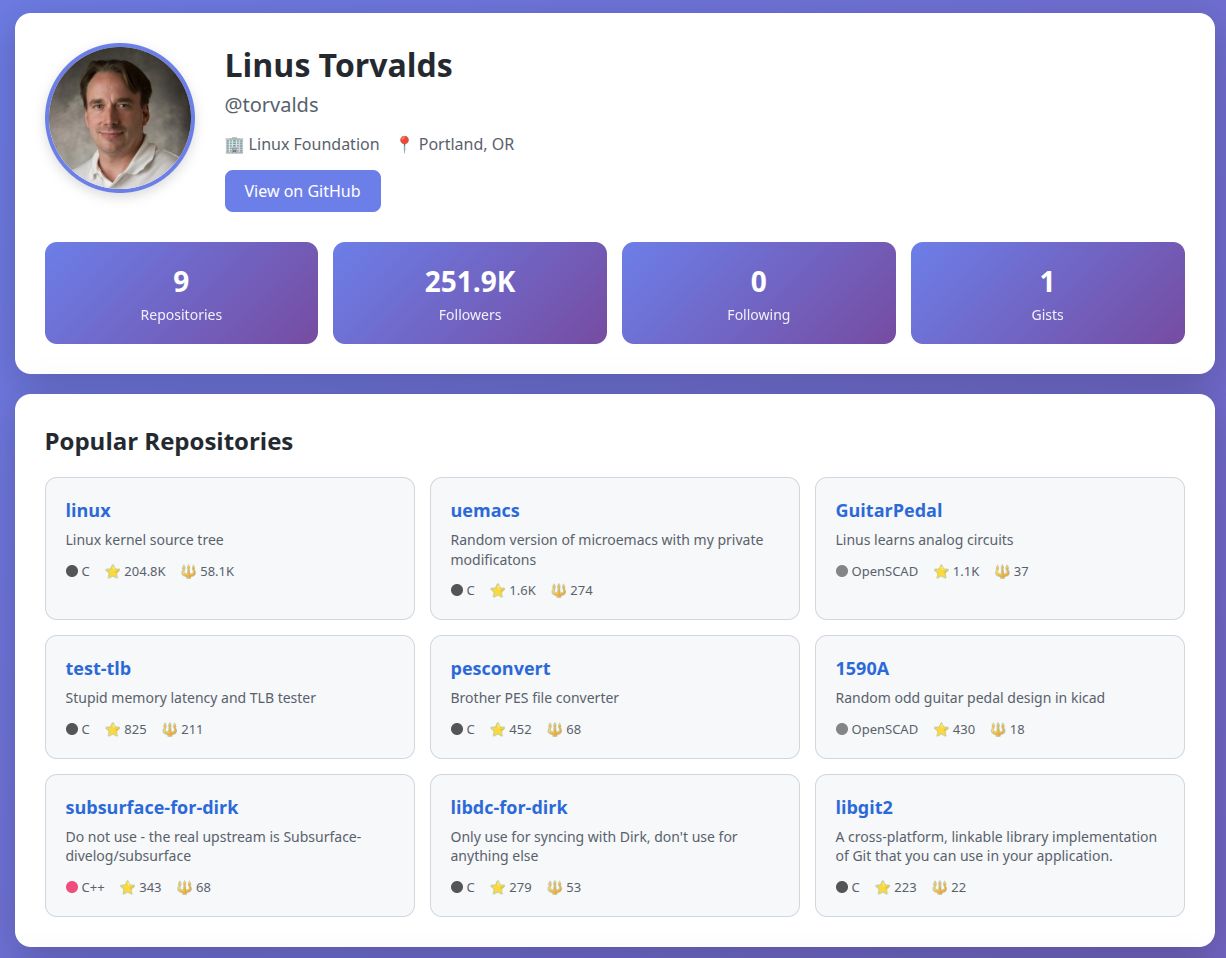
I asked multiple coding agents and models to build the same app: Create a single-page web app at index.html that beautifully renders a GitHub user profile and activity comprehensively. Pick the ID in the URL ?id=…, default to ?id=torvalds. … and compared their quality, cost, and speed. My observations: Quality variance is the highest. Some models / agents produce great visuals, some average, some fail completely. Cost and time variance are lower among the successful models. About 2X variance in each. ...

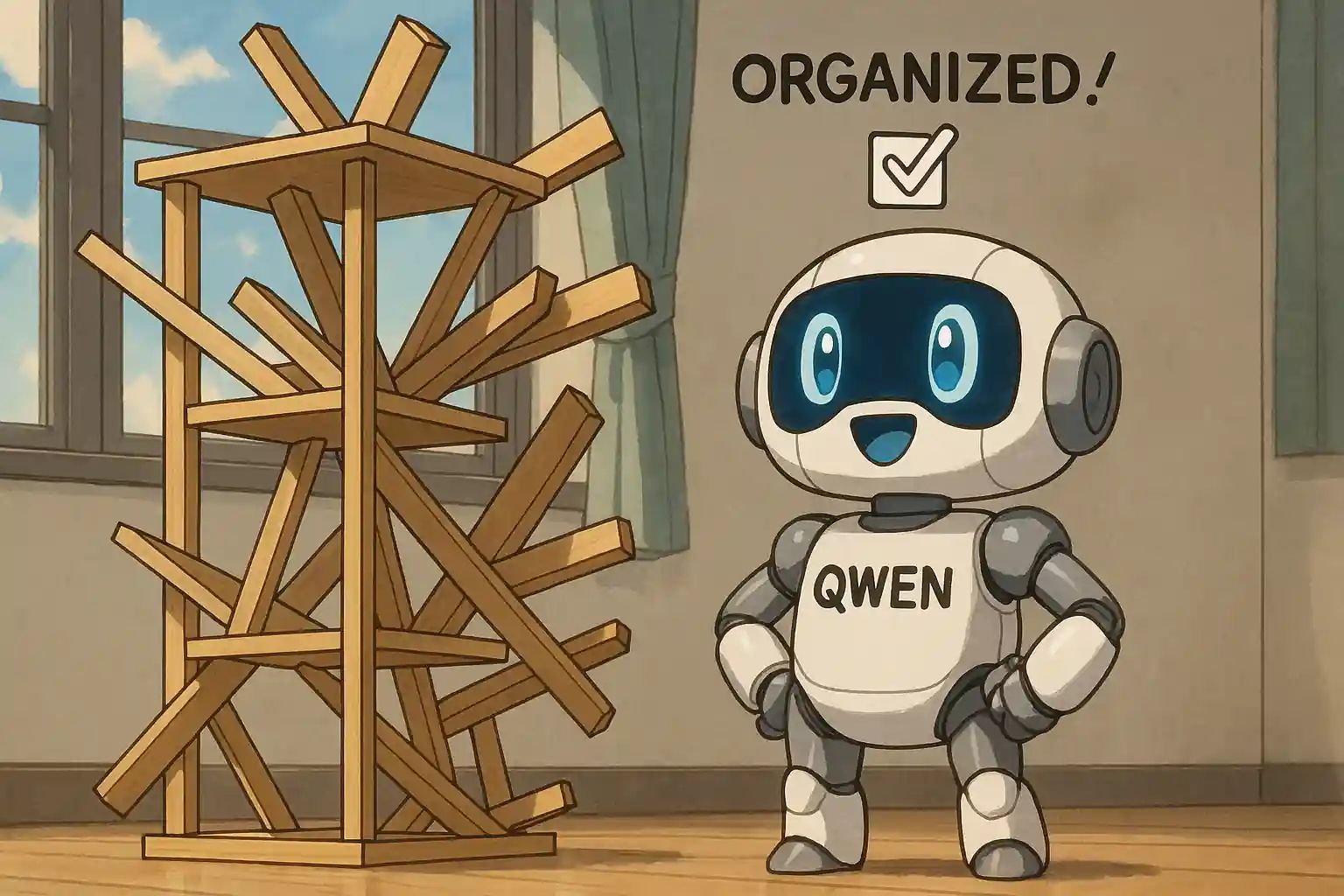
Alibaba released an open-source coding model (qwen-coder) and tool (qwen-code). qwen-code + qwen-coder cost 8 cents and made 3 mistakes. https://lnkd.in/gguSGdv6 qwen-code + claude-sonnet-4 cost 104 cents and made no mistakes. https://lnkd.in/gEPnVS-F claude-code cost 29 cents and made no mistakes. https://lnkd.in/gyCVeAr4 There’s no reason to shift yet, but it’s a good step in the development of open code models & tools. LinkedIn

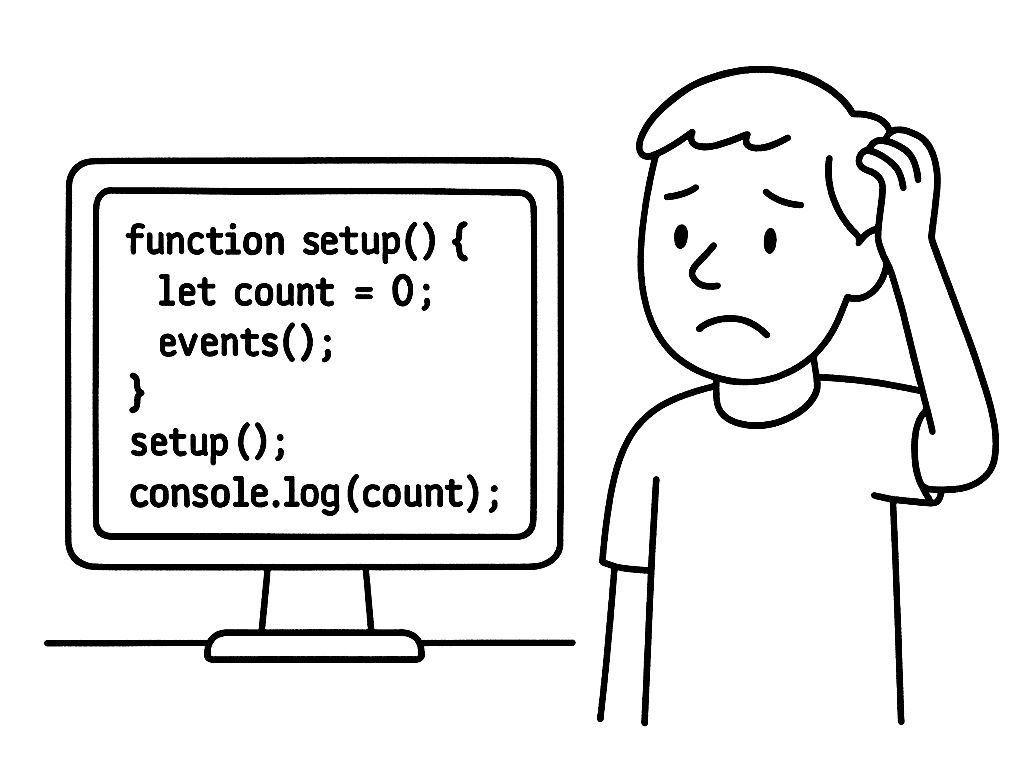
I use Codex and Jules to code while I walk. I’ve merged several PRs without careful review. This added technical debt. This weekend, I spent four hours fixing the AI generated tests and code. What mistakes did it make? Inconsistency. It flips between execCommand("copy") and clipboard.writeText(). It wavers on timeouts (50 ms vs 100 ms). It doesn’t always run/fix test cases. Missed edge cases. I switched <div> to <form>. My earlier code didn’t have a type="button", so clicks reloaded the page. It missed that. It also left scripts as plain <script> instead of <script type="module"> which was required. ...

Turning Walks into Pull Requests

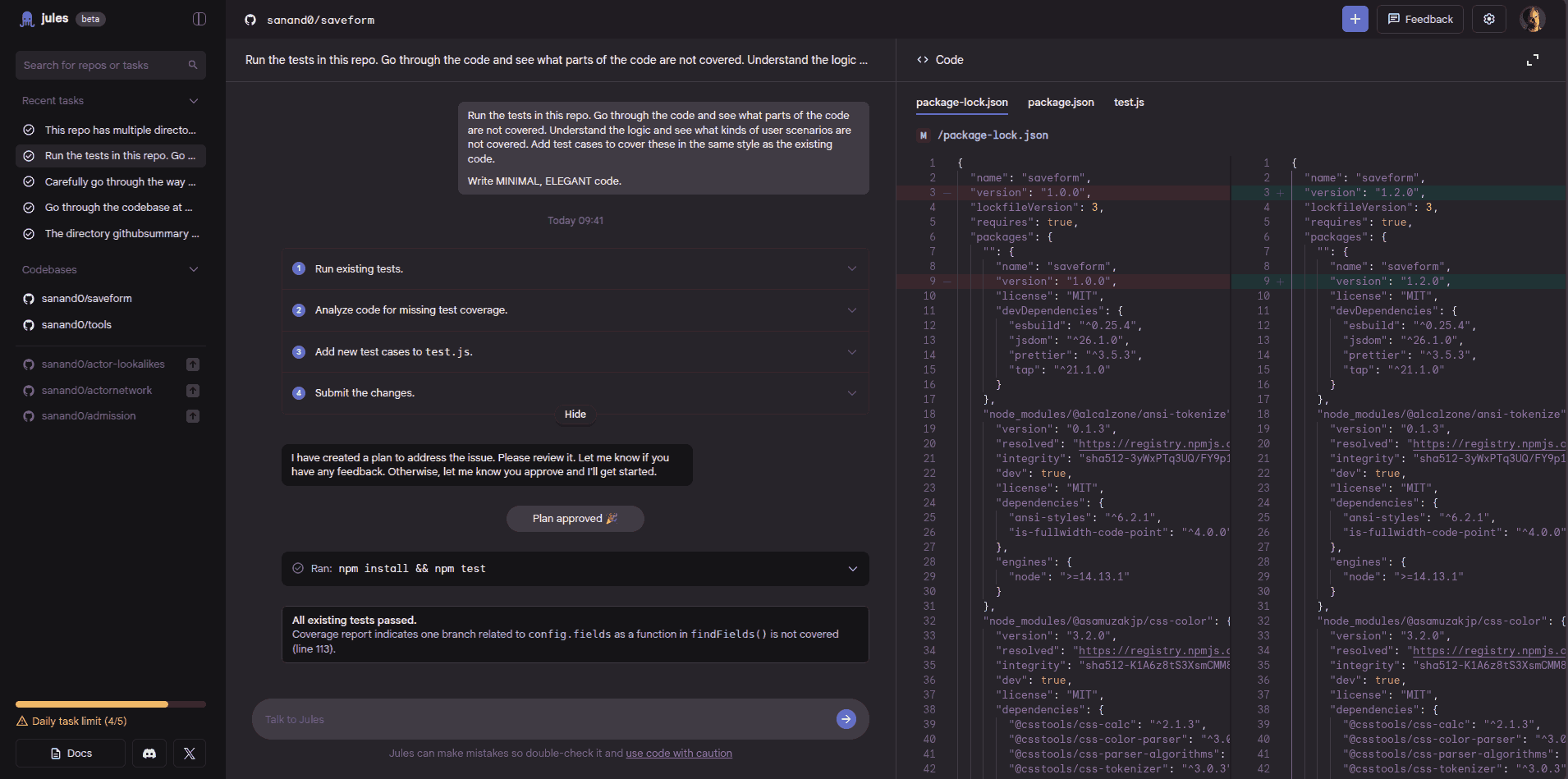
In the last few days, I’m coding with Jules (Google’s coding agent) while walking. Here are a few pull requests merged so far: Add features via an issue Write test cases Add docs Why bother? My commute used to be audiobook time. Great for ideas, useless for deliverables. With ChatGPT, Gemini, Claude.ai, etc. I was able to have them write code, but I still needed to run, test, and deploy. Jules (and tools like GitHub Copilot Coding Agent, OpenAI Codex, PR Agent, etc. which are not currently free for everyone) lets you chat clone a repo, write code in a new branch, test it, and push. I can deploy that with a click. ...