GPT Image 2.5 Flare is a pretty good image model. It has a quality parameter that can be set to low, medium, high, xhigh or max.
Higher levels generate more tokens and here’s the rough cost by quality for a 1024x1024 image. This cost is in cents not dollars:
| Quality | Tokens | Cents |
|---|---|---|
low |
196 | 0.6 |
medium |
439 | 1.3 |
high |
1,756 | 5.3 |
xhigh |
3,122 | 9.4 |
max |
7,024 | 21.1 |
But what difference does it really make? I asked ChatGPT to experiment and find an image where there is a clear difference.
It began with a macro photo of a watch. See the difference between low and max:
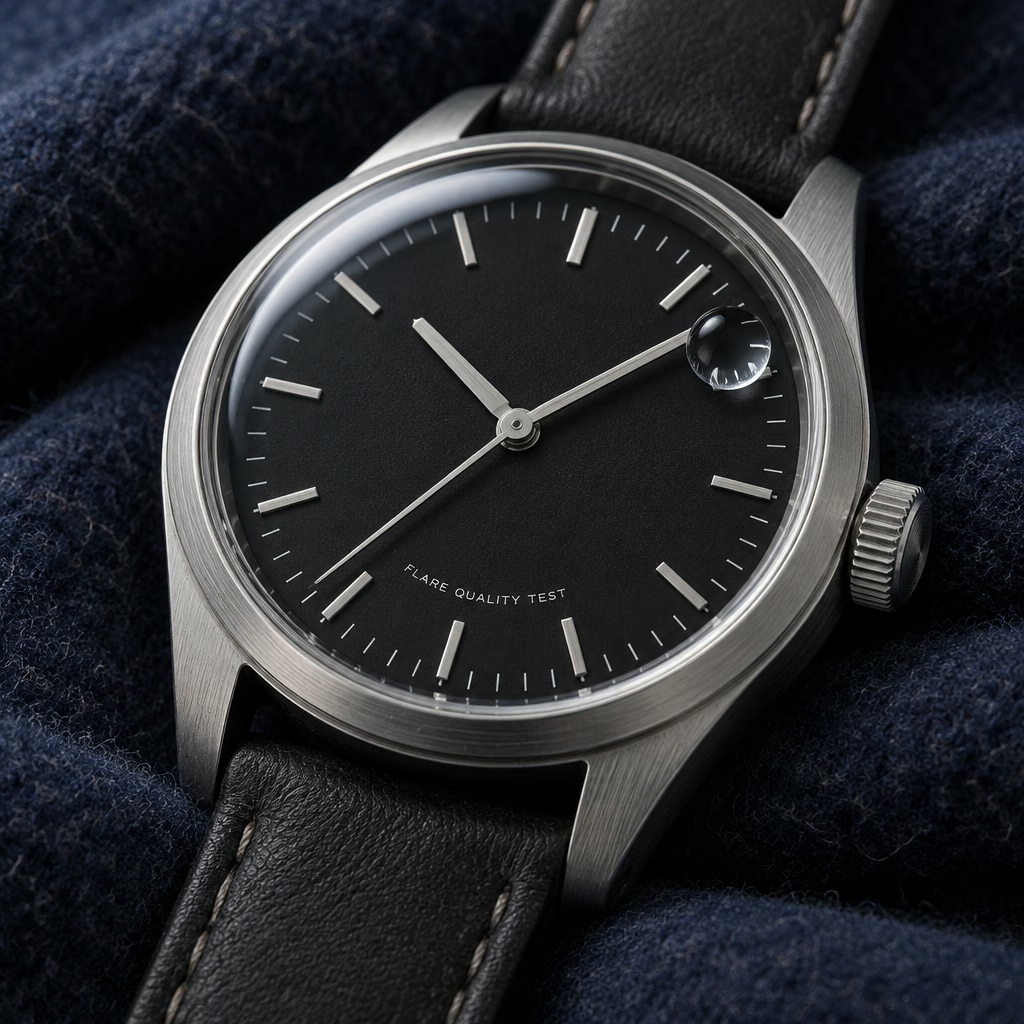
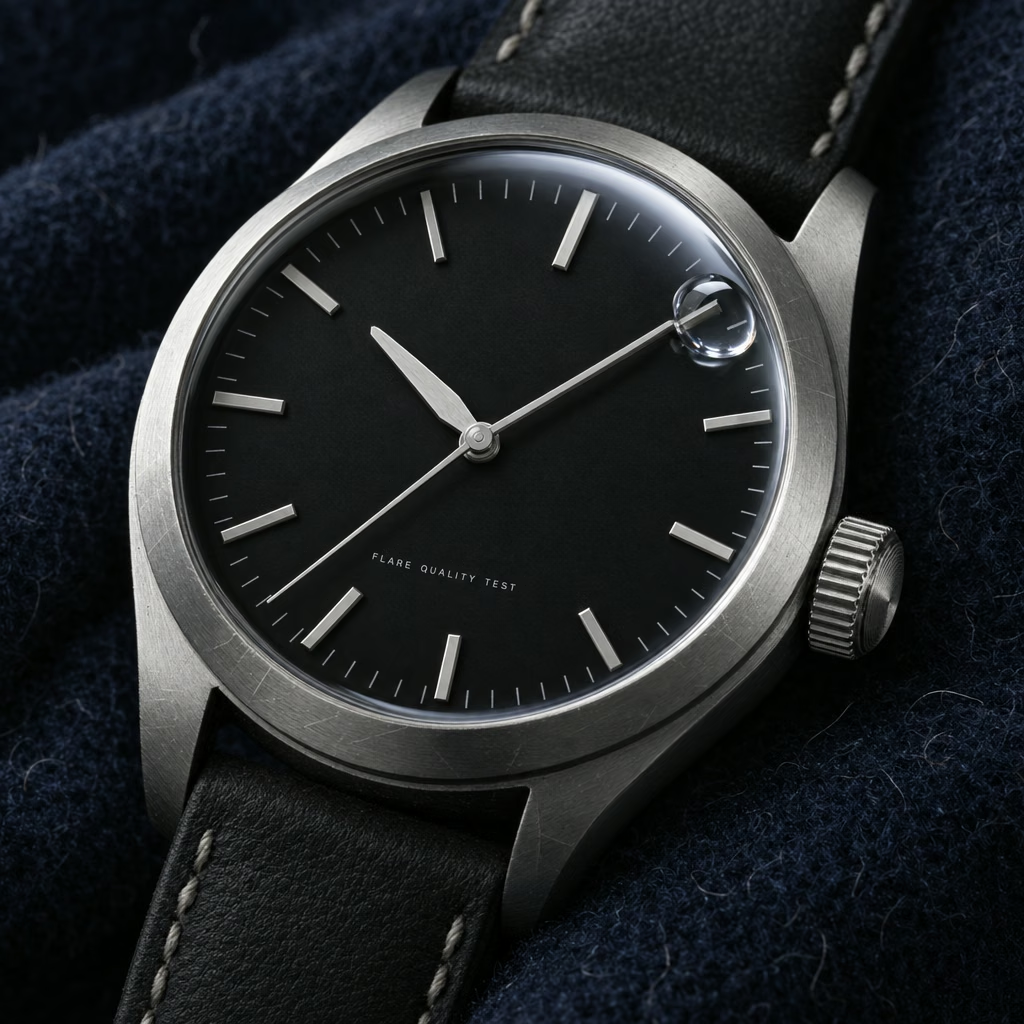
First, let’s note what’s NOT different. The time, tiny text, exact watch hands, wool/steel texture, droplet/refraction. So, low is already a pretty good model! It’s hart to tell the difference in quality.
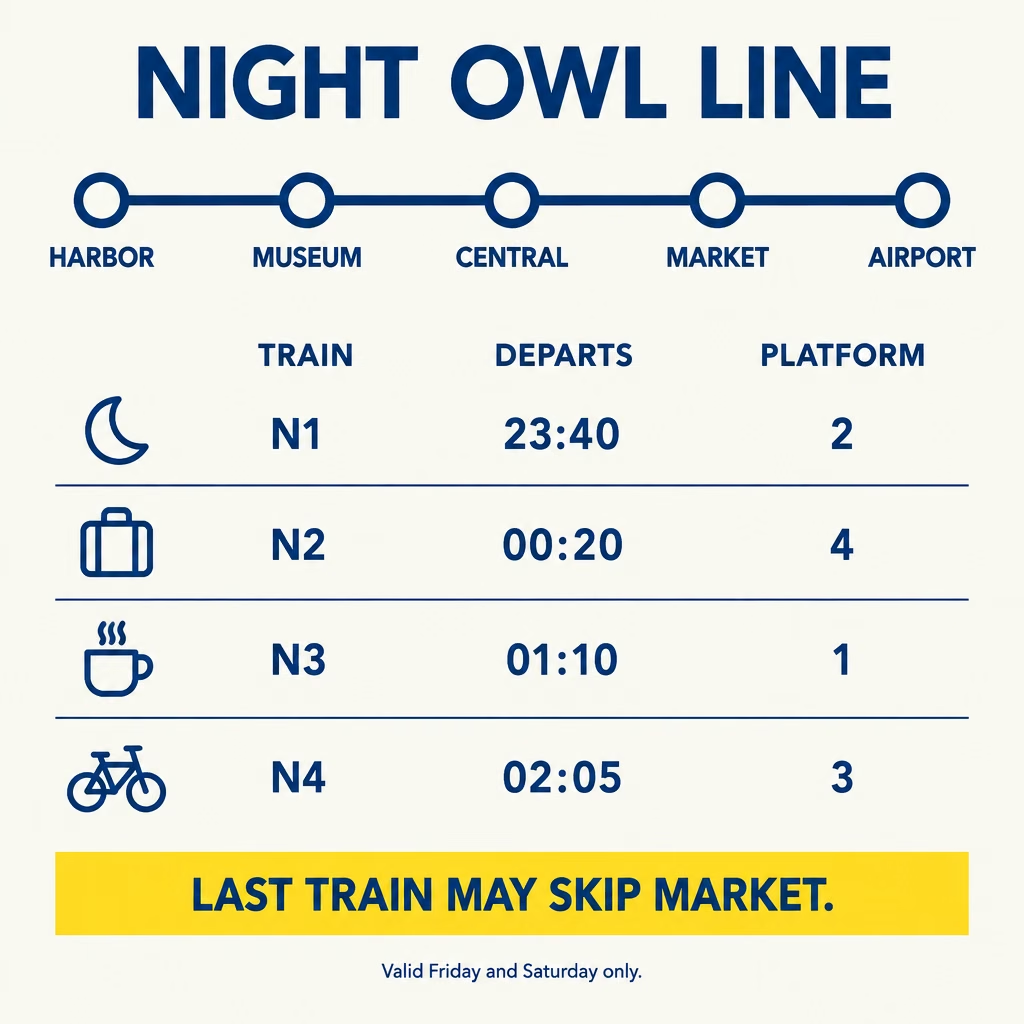
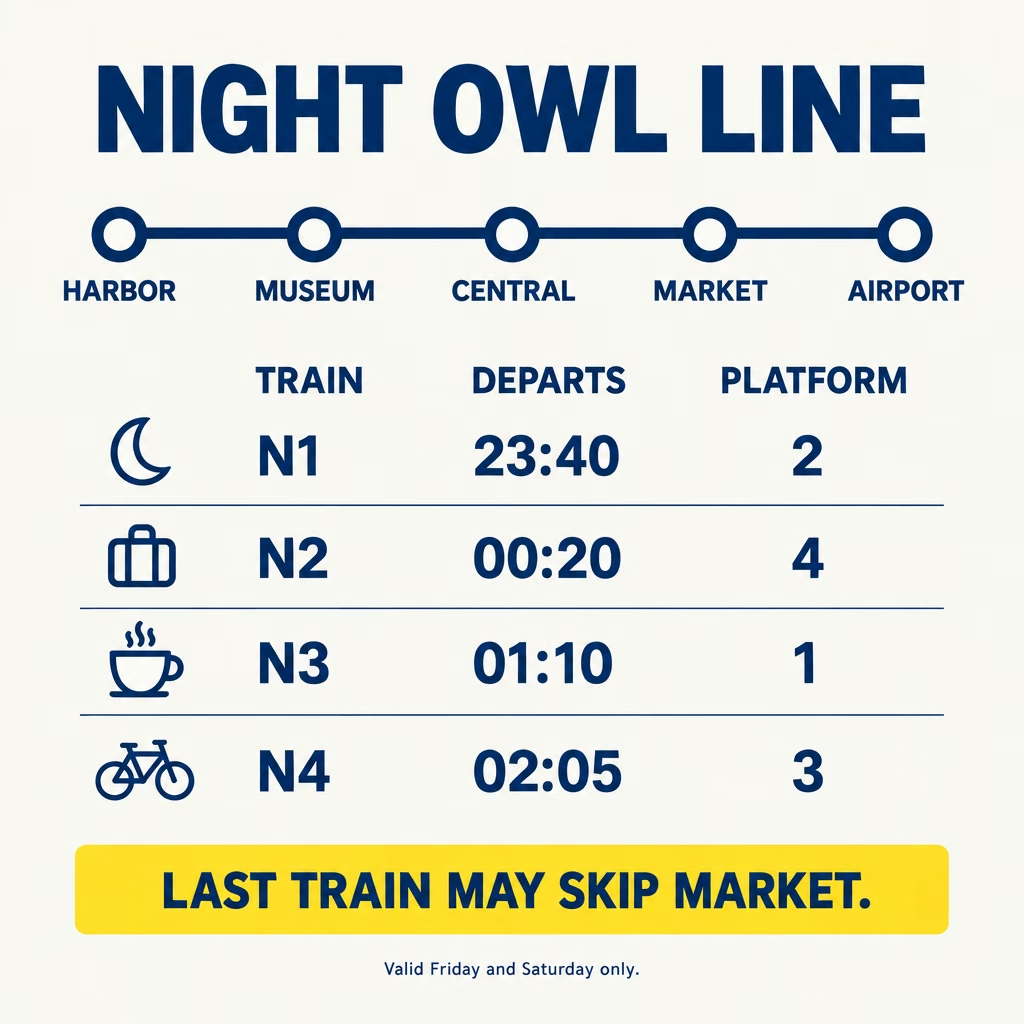
Not much difference in a transit time poster either. The aesthetics are slightly better in high (the second image), which looks nearly identical to xhigh and max.
On a picture of a barista, low already produced realistic skin, fabric, scratched metal, condensation, transparent glass, steam, rain reflections and latte art.
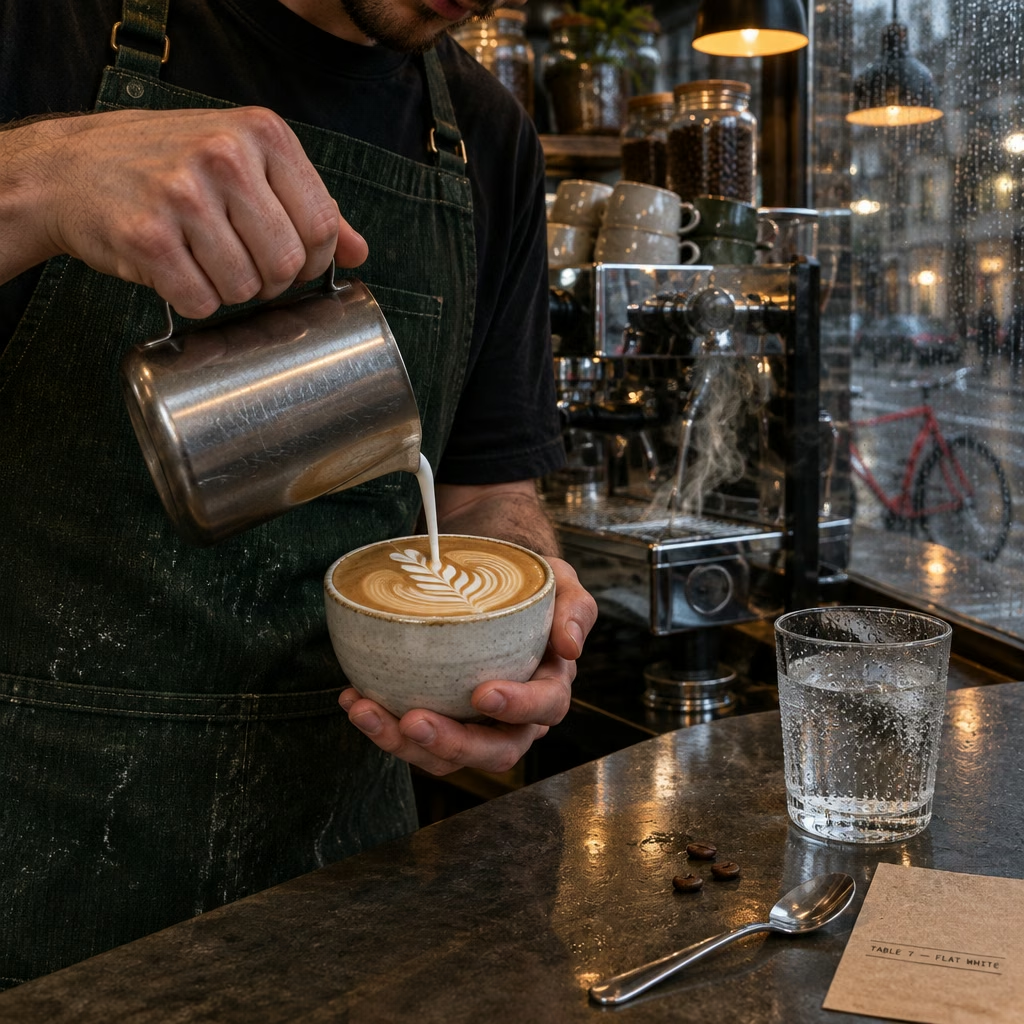
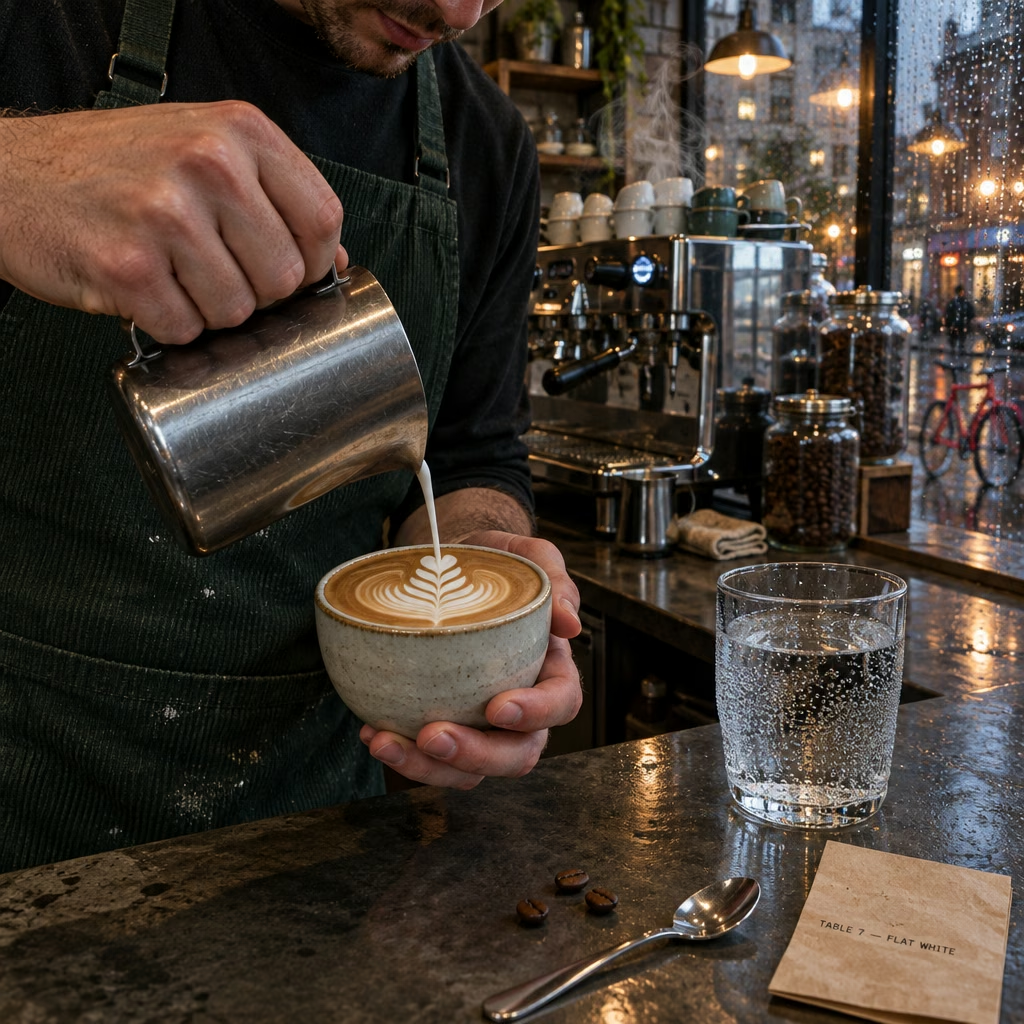
So, to give itself a challenge, ChatGPT asked for a larger image (2880x2880) with freckles,
Ultra-realistic unretouched beauty-editorial portrait, perfectly front-facing and centered, of a woman in her mid-30s with naturally freckled light-brown skin and dark curly hair. Square composition; her head and upper shoulders fill almost the entire frame, with both eyes sharply in focus and the face occupying about 75% of the image width. Neutral warm-gray studio background, one large softbox slightly camera-left, natural color, no glamour retouching and no skin smoothing. Resolve extremely fine real-world surface detail: distinct pores across the nose and cheeks; tiny vellus peach-fuzz hairs catching side light; irregular freckles of different sizes and densities; one faint healed 8 mm scar on the left cheek; individual eyebrow hairs; separate upper and lower eyelashes; fine radial fibres and color variation in both irises; subtle wet tear-line reflections; natural lip lines and slight dry texture; individual flyaway hairs and fine frizz around the hairline. She wears a charcoal-gray chunky knitted wool turtleneck whose individual yarn fibres, twisted strands and knit loops are clearly visible, plus one simple brushed-titanium hoop earring showing very fine directional brushing and a few microscopic hairline scratches. Preserve believable human skin and anatomy. The image should reward inspection at 100% zoom: photographic microcontrast and natural high-frequency texture without artificial sharpening, plastic skin, painterly texture, beauty-filter smoothing, fake grain, text, jewelry other than the single hoop, or background objects.
Then it zoomed into the forehead and started looking for differences. At this zoomed in level, differences start to appear.
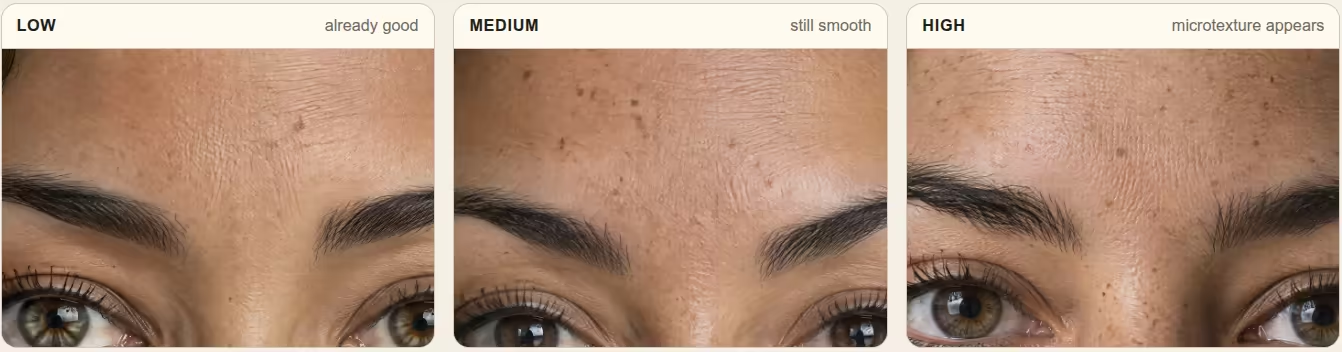
low generates less detail. medium is better, and high has a lot of detail. But, over several blind tests, ChatGPT couldn’t tell the difference between high, xhigh and max.
Summary: low quality (0.6 cents) is all you need. Go for medium (1.3 cens) or at most high (5.3 cents) if you really fine detail like fibre, hair, wrinkles, etc. But you almost never need xhigh (9.4 cents) or max (21 cents).
PS: I also updated my LLM Art Style gallery with GPT Image 2.5 Flare images.