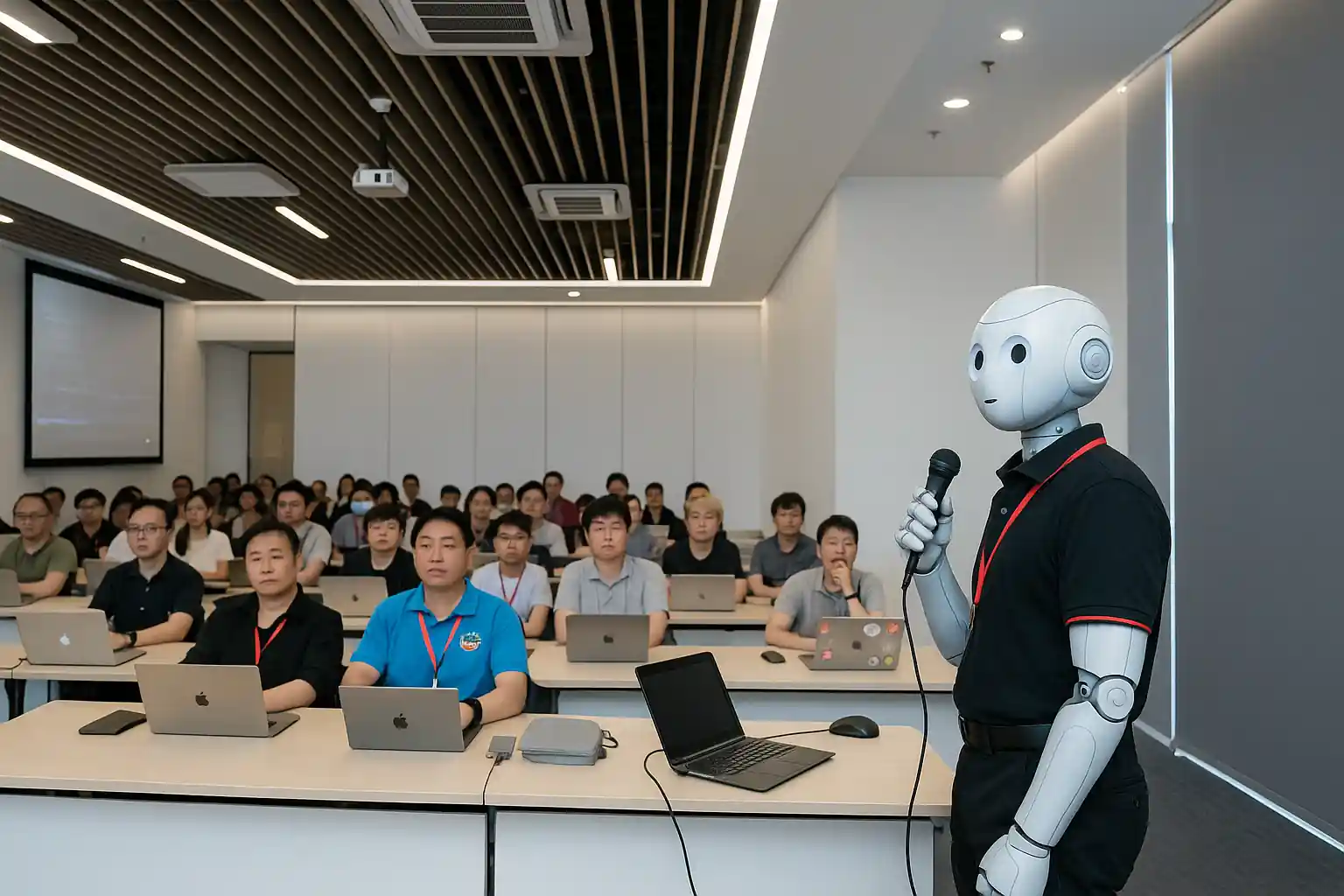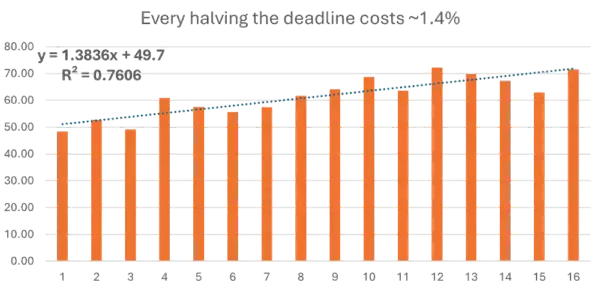
Should courses be hard or easy?

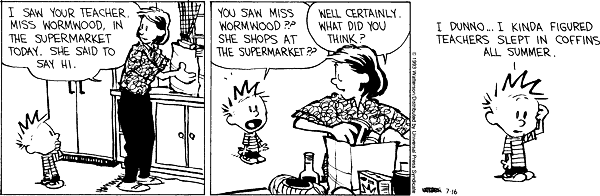
Here’s a post I shared with the students of my Tools in Data Science course at IITM. This was in response to a student posting that: The design of TDS course lecture videos are designed in such a way that it could be understood only by the data scientists not by the students like me who are entirely new to the field of data science. Though I have gone through 6 weeks of course lecture videos, I am not fully aware of the usage of ChromeDevTools, Bash, Github etc…. ...

Hacking an obnoxious, unhelpful LLM to say Yes

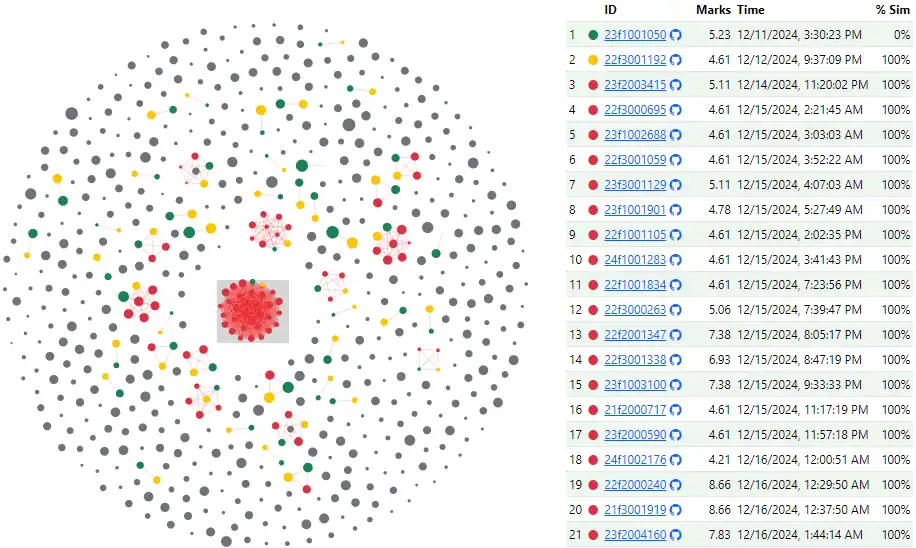
Dan Becker suggested a game a few weeks ago that I’ve been putting to good use. Can we have one LLM try and get another to say “Yes”? The defender is told to never say “Yes”. The attacker must force it to. Dan’s hypothesis was that it should be easy for the defender. I tried to get the students in my Tools in Data Science course to act as the attacker. The defender LLM is a GPT 4o Mini with the prompt: ...

The psychology of peer reviews

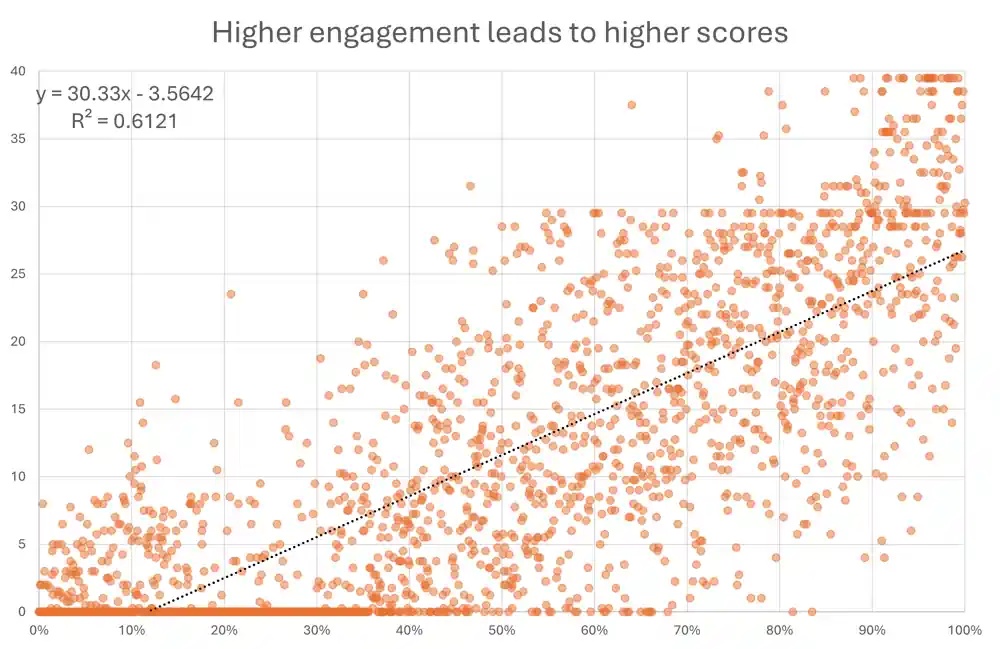
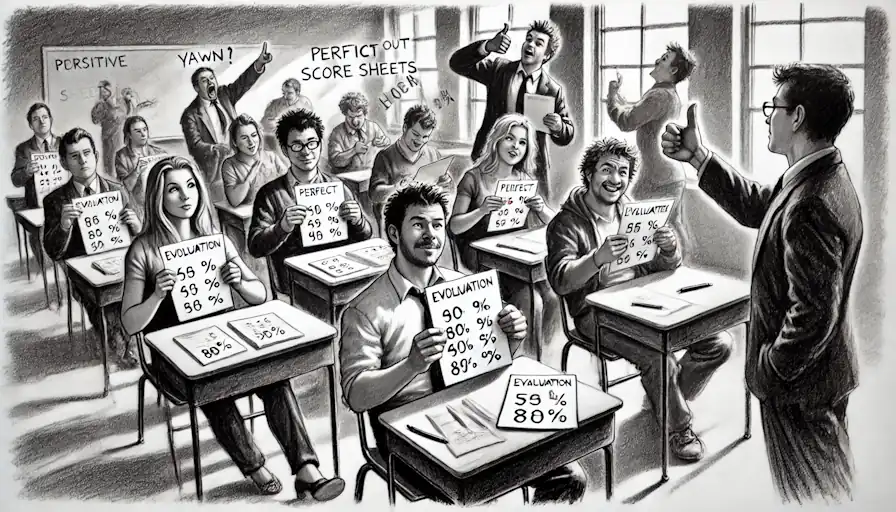
We asked the ~500 students in my Tools in Data Science course in Jan 2024 to create data visualizations. They then evaluated each others’ work. Each person’s work was evaluated by 3 peers. The evaluation was on 3 criteria: Insight, Visual Clarity, and Accuracy (with clear details on how to evaluate.) I was curious to see if what we can learn about student personas from their evaluations. ...

Moderating marks

Sometimes, school marks are moderated. That is, the actual marks are adjusted to better reflect students' performances. For example, if an exam is very easy compared to another, you may want to scale down the marks on the easy exam to make it comparable. I was testing out the impact of moderation. In this video, I'll try and walk through the impact, visually, of using a simple scaling formula. BTW, this set of videos is intended for a very specific audience. You are not expected to understand this. ...

Visualising student performance 2

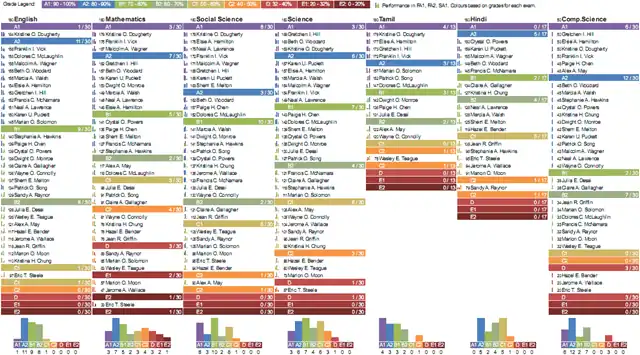
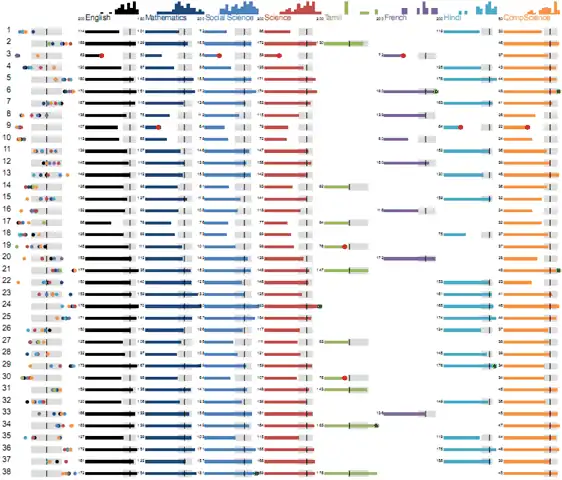
This earlier visualisation was revised based feedback from teachers. It’s split into two parts: one focused on performance by subject, and another on performance of each student. Students’ performance by subject This is fairly simple. Under each subject, we have a list of students, sorted by marks and grouped by grade. The primary use of this is to identify top performers and bottom performers at a glance. It also gives an indication of the grade distribution. ...

Visualising student performance

I’ve been helping with visualising student scores for ReportBee, and here’s what we’ve currently come up with. Each row is a student’s performance across subjects. Let’s walk through each element here. The first column shows their relative performance across different subjects. Each dot is their rank in a subject. The dots are colour coded based on the subject (and you can see the colours on the image at the top: English is black, Mathematics is dark blue, etc.) ...

On teaching

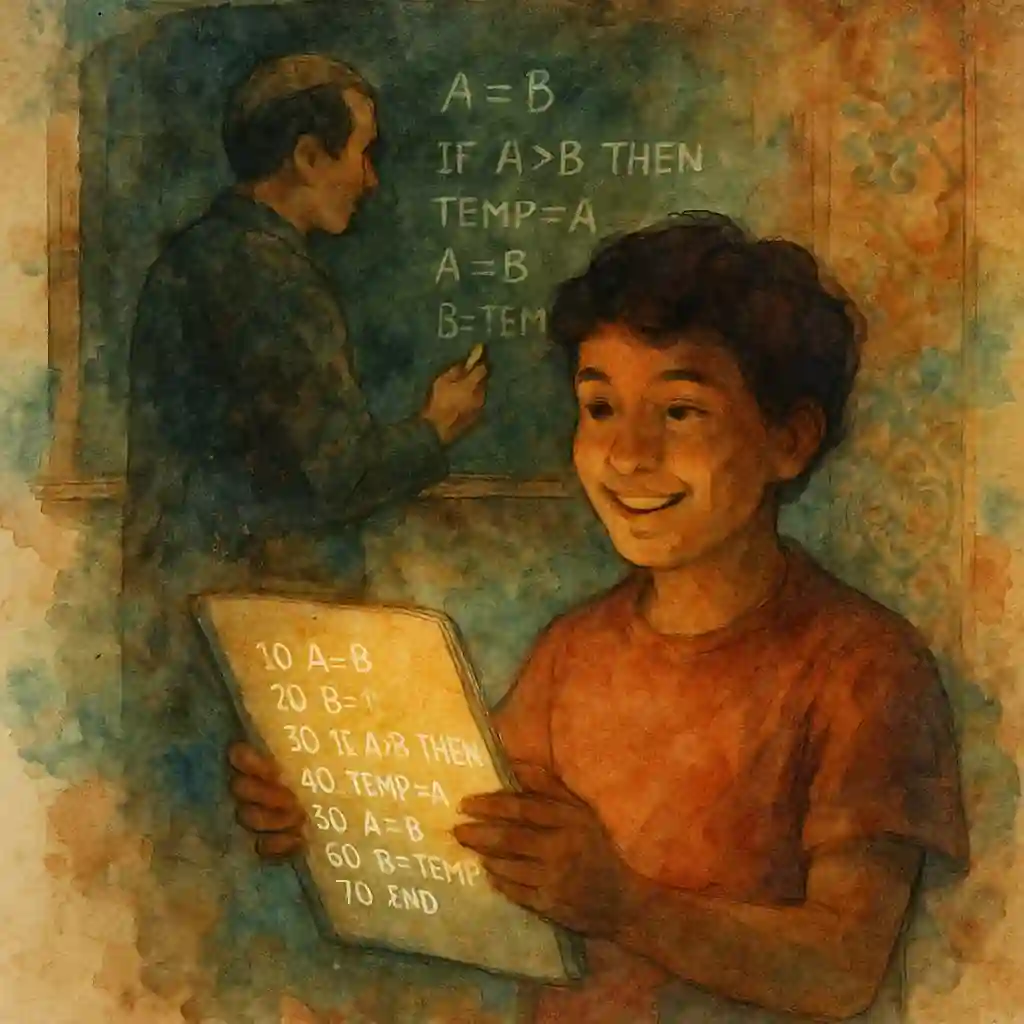
This vacation, I took a session each for class XI and XII at my school, Vidya Mandir. The subject was Computer Science (the only one I can teach with some confidence), and the topic was networks. It was an experiment, in two parts. The first was to understand how students of this generation interact with the Internet. (I'm twice as old as them, so I guess they qualify as the next generation.) The second was to see whether I'd leave them far behind, or they'd leave me far behind. ...

The Six-Lesson Schoolteacher

The Six-Lesson Schoolteacher, by John Taylor Gatto, New York State Teacher of the Year, 1991. (The first part of it is sarcastic. This man is speaking passionately of things he despises in the education system.) The first lesson I teach is: “Stay in the class where you belong.” I don’t know who decides that my kids belong there but that’s not my business. The second lesson I teach kids is to turn on and off like a light switch. I demand that they become totally involved in my lessons, jumping up and down in their seats with anticipation, competing vigorously with each other for my favor. ...

TEDTalk by Sir Ken Robinson

Sir Ken Robinson’s TED Talk on education is brilliant and funny. Some quotes that struck me: If you think of it, children starting school this year will be retiring in 2065. Nobody has a clue, despite all the expertise that has been on parade the last four days, what the world will look like in five years’ time. And yet we’re meant to be educating them for it. So the unpredictability, I think, is extraordinary. ...