LLM Comic Styles

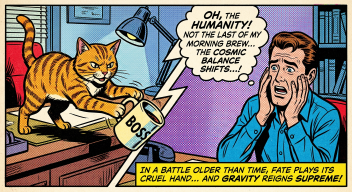
I maintain an LLM art style gallery - prompts to style any image I generate. Since I generate several comics, I added a comic category page that includes styles like: To generate these, I asked Claude: Here are some examples of image styles I've explored. <image-styles> "2D Animation": "2D flat animation style, clean vector lines, cel-shaded coloring, cartoon proportions" "3D Animation": "Modern 3D animation render, smooth surfaces, dramatic lighting, Octane render quality, cinematic depth" ... </image-styles> In the same vein, I'd like to explore **comic** styles. Create 30 popular comic / cartoon styles, aiming for diverse aesthetics and cultural influences. Name it concisely (1-2 words) based on the source, but the description should not reference the source directly (to avoid copyright issues). Focus on the visual characteristics that define each style. Pick those KEY visual elements that will subliminally evoke the style without explicitly naming it. … followed by: ...
Protyping the prototypes

I added a narrative story to my LLM Pricing chart. That makes it easier for me and others to tell the story of AI’s evolution in the last three years. Video It was vibe-coded over two iterations. In the first version, I prompted it to: Add a scrollytelling narrative. So, when users first visit the page, they see roughly the same thing as now (but prettier). As they scroll down, the page should smoothly move to the earliest month, and then animate month by month on scroll, and explaining the key events and insights in terms of model quality and pricing. Use the data story skill to do this effectively, narrating like Malcolm Gladwell, with the visual style of The New York Times, using the education progression as a framework for measure of intelligence (read prompts.md for context). Store the narrative text in a separate JSON file and read from it. This should control the entire narrative, including what month to jump to next, what models to highlight, what insights to share, and so on. ...